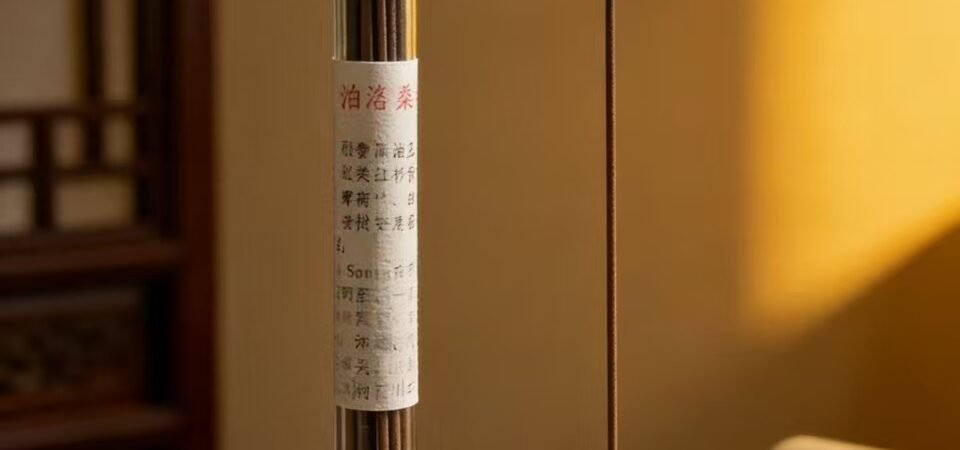
I was a candle person for years.
My apartment had candles everywhere—the bathroom, the bedroom, the living room, the kitchen counter. Yankee Candle during the holidays, fancy small-batch ones when I wanted to treat myself, cheap ones from Target when I just needed something burning. The soft glow, the familiar scents, the ritual of lighting them after work. Candles were simply part of how I lived.
Then a friend gave me a bundle of Chinese sandalwood incense, and everything slowly changed.
I didn’t abandon candles overnight. It was a gradual shift—one stick here, one evening there—until I realized months had passed since I’d lit a candle at all. The transition surprised me. I hadn’t planned it, hadn’t decided candles were bad. I just found myself reaching for incense instead.
If you’re a candle person curious about incense, here’s what I learned along the way.
What I Loved About Candles
Let me be fair to candles first. They earned their place in my home for real reasons.
The light. Nothing replicates candlelight. That warm, flickering glow creates atmosphere that incense simply can’t match. On dark winter evenings, candles made my apartment feel alive.
The familiarity. Candles are normal. Everyone understands them. Guests never asked “what’s that burning?”—they just settled into the warmth.
The variety. I could match candle scents to seasons, moods, occasions. Pumpkin spice in fall, pine in winter, something light and floral in spring. The options felt endless.
The accessibility. Candles are everywhere. Grocery stores, home goods shops, gas stations. When I ran out, replacement was trivial.
I’m not here to tell you candles are wrong. They’re not. But I discovered something that works better for me, and the reasons might resonate with you too.
The Limitations I Hadn’t Noticed
It wasn’t until I started using incense regularly that I recognized what had been bothering me about candles all along—things I’d accepted as normal without questioning.
The Scent Saturation Problem
Here’s something I never thought about: candles scent a room by heating fragrant wax continuously. The longer they burn, the more scent accumulates. After an hour or two, I’d become nose-blind to whatever I was burning, and guests would sometimes comment that the smell was overwhelming.
I’d been living in rooms that were over-scented without realizing it.
Incense works differently. A stick burns for 25 minutes, releases its fragrance, and stops. The scent fills the space, then gradually fades. There’s a natural rhythm—presence, then absence—rather than endless accumulation.
The Synthetic Question
Most candles—even expensive ones—use synthetic fragrance oils. I’m not saying synthetic is evil, but once I experienced pure sandalwood incense, I noticed the difference immediately.
Natural wood burning smells… real. There’s complexity, depth, subtle variation. Synthetic “sandalwood” candles smell like an idea of sandalwood—pleasant but flat, like a photograph versus standing in an actual forest.
I hadn’t known what I was missing until I had something to compare.
The Maintenance Factor
Candles require attention I’d stopped noticing. Trim the wick or it smokes. Don’t burn too long or the vessel overheats. Watch for tunneling. Store away from sunlight. Replace when the wax gets low and the wick drowns.
Incense is simpler. Light it, place it in a holder, let it burn completely. No trimming, no tunneling, no half-finished jars cluttering shelves.
The Residue Issue
After years of candle burning, surfaces in my apartment had a subtle waxy film I’d normalized. Picture frames, bookshelves, anything horizontal near where candles burned. I only noticed when I stopped burning candles and the film stopped accumulating.
Incense produces ash, but ash stays in the holder and gets thrown away. It doesn’t migrate onto your furniture.
What Incense Offers Instead
The switch wasn’t just about escaping candle limitations. Incense brought positive qualities I hadn’t known to want.
Scent That Tells Time
A candle smells the same at minute one and minute sixty. Incense evolves. The opening note differs from the middle, which differs from the finish. Burning incense is an experience with a beginning, middle, and end—a small sensory journey rather than static ambiance.
This matters more than I expected. The evolution keeps me present in a way that constant, unchanging scent doesn’t.
Natural Endings
Candles ask you to decide when they’re done. Blow them out too early, waste wax. Burn too long, risk problems. The decision adds minor cognitive load I didn’t realize I was carrying.
Incense decides for itself. When the stick finishes, the session ends. This built-in boundary has been unexpectedly freeing—especially for meditation or reading, where the incense becomes a natural timer.
Ritual Without Effort
Lighting a candle is simple—but lighting incense feels more intentional. The match, the flame catching, blowing out to ember, watching the first smoke curl. It takes ten seconds longer than lighting a candle but creates a stronger sense of transition.
After months of practice, the ritual has become meaningful. It marks moments—coming home, starting work, beginning meditation—in ways that candles never quite did.
Cultural Depth
This might sound pretentious, but it’s genuine: burning Chinese incense connects me to something larger than myself.
Candles are wonderful, but they’re just candles. Chinese incense carries centuries of history—scholars, temples, tea ceremonies, healing practices. When I light sandalwood, I’m using a tool the way humans have used it for a thousand years. That continuity adds meaning that scented wax can’t provide.
The Transition: What Actually Helped
If you’re considering a similar switch, here’s what made the transition easier for me:
Start with Sandalwood
Sandalwood bridges the gap between candle culture and incense culture. It’s warm, approachable, and familiar enough that it won’t feel alien. Most people who like woody or vanilla candle scents adapt to sandalwood immediately.
Don’t start with anything too exotic or challenging. Let your nose adjust before exploring.
Keep Candles for Candlelight
I still own candles—but now I use them for light, not scent. Unscented candles during dinner, tea lights in the bathroom. The glow without the fragrance competition.
This hybrid approach lets you keep what candles do best while letting incense handle scent.
Accept Different Aesthetics
Candles are decorative. A beautiful candle in a nice vessel looks good sitting on a shelf, even unlit.
Incense is less photogenic. A bundle of brown sticks doesn’t make Pinterest boards. But I’ve come to appreciate this humility—the incense isn’t trying to be décor, it’s just a tool.
If visual appeal matters, invest in a beautiful incense holder. That becomes your decorative element.
Manage Smoke Expectations
Candles produce light and negligible visible output. Incense produces smoke. This isn’t a flaw—the smoke is part of the experience—but it requires adjustment.
Good ventilation makes this a non-issue. Crack a window, let air move. The scent fills the room without the smoke accumulating. After a few weeks, the smoke becomes invisible to you—just part of how it works.
Involve Your Household
If you live with others, bring them along. My partner was skeptical at first—”isn’t incense kind of… hippie?”—but came around once I found scents we both enjoyed.
Start with the most universally pleasant options (sandalwood, light wood blends) rather than anything challenging. Let the skeptics discover what you’ve discovered.
What I Miss (Honestly)
I want to be fair. Some things about candles I genuinely miss:
The light. Nothing replaces it. On winter nights, I sometimes wish incense came with that warm glow.
The gift factor. Candles are easy to give and receive. “Here’s some incense” doesn’t land the same way in most Western social contexts—yet.
The bathtime ritual. Candles beside a bathtub feel classic and safe. Burning incense in a humid bathroom is less ideal.
These are real trade-offs, not things I’ve resolved. I’ve accepted them because what I gain outweighs what I lose.
The Invitation
If you’ve been burning candles for years, I’m not suggesting you throw them out. I’m suggesting you try one stick of sandalwood incense, one evening, just to see.
Maybe you’ll find it interesting but prefer your candles. That’s legitimate. Candles are genuinely good.
But maybe you’ll notice something shifting—the scent complexity, the natural timing, the ritual weight—and wonder why you waited so long.
I resisted for years because incense felt foreign, complicated, maybe too “spiritual” for my normal apartment life. It’s none of those things. It’s just another way to bring scent and intention into your space.
The candles will still be there if you want them. But you might find, like I did, that you stop reaching for them.
Curious about making the switch? Start with our sandalwood sticks—the gentlest introduction for candle lovers exploring Chinese incense.