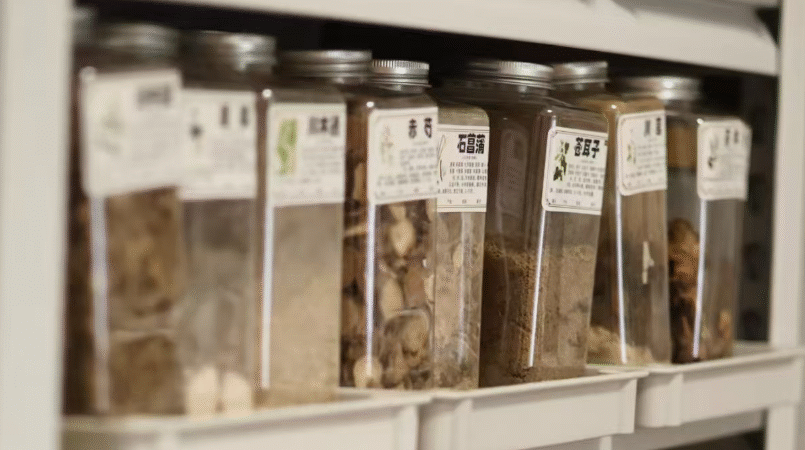
The first time I watched a master incense maker at work in a small Beijing workshop, I realized incense-making isn’t just mixing powders—it’s a conversation between you and centuries of tradition. The gentle grinding of sandalwood, the careful measuring of each ingredient, the quiet satisfaction when that first wisp of smoke rises perfectly… It reminded me of my grandmother kneading dough, that same meditative rhythm, that same knowing touch. Today, I’ll walk you through this ancient art, simplified for your modern kitchen.
The Foundation: Understanding Chinese Incense
Let me clear something up right away—Chinese incense is nothing like those synthetic sticks you grab at the gas station. Traditional Chinese incense, or xiangpin (香品), tells a different story. While your typical store-bought incense might knock you over with its intensity, Chinese incense whispers. It layers. It evolves as it burns.
In Chinese culture, incense isn’t just about making a room smell nice. It’s about creating space—mental space, spiritual space, creative space. Writers burned specific blends to clear their minds. Doctors mixed therapeutic formulas. Tea masters chose incense to complement their ceremonies. And here’s the beautiful part: you don’t need to embrace any particular philosophy to appreciate this. You just need to enjoy the process of creating something meaningful with your hands.
Why make your own? Beyond the obvious—no synthetic fragrances, no chemical accelerants—you’re in complete control. Want it earthier? Add more sandalwood. Need something uplifting? Double the citrus peel. Plus, once you understand the basics, you can create blends that simply don’t exist commercially. That “rainy afternoon reading” scent you’ve been searching for? You can actually make it.
Your Incense Toolkit
Essential Ingredients (and Where to Find Them)
Here’s what took me months to figure out: you don’t need to import rare woods from mountain temples to make good incense. Start with what’s accessible, then level up as you get hooked (and trust me, you will).
Base Woods (pick one to start):
- Sandalwood powder – The classic. Warm, creamy, grounding. Find it at Indian grocery stores or online. About $15 for a bag that’ll last months.
- Agarwood – The Rolls Royce of incense woods. Skip it for now unless you’ve won the lottery.
- Cedar powder – My budget-friendly secret. Grind cedar shavings from the pet store (yes, really—just make sure it’s untreated). Gives you 80% of the experience at 10% of the cost.
The Glue That Holds It Together:
- Makko powder (Tabu no ki) – This changed everything for me. It’s made from tree bark and acts as both a binder and a burning agent. One tablespoon per cup of base material. Find it online—Etsy sellers are surprisingly reliable.
- Honey – Your kitchen already has this. Use sparingly—too much and you’ll create incense taffy (ask me how I know).
- Natural tree resin – Pine resin or frankincense tears work beautifully. Crush them fine.
Aromatics (raid your spice cabinet):
- Ground clove (warmth without heaviness)
- Cinnamon powder (not the sugary kind—real Ceylon if possible)
- Star anise (grind it fresh—the pre-ground stuff loses its magic)
- Dried orange or tangerine peel (save them from your morning fruit)
- White tea leaves (crushed fine—adds a clean, subtle note)
Tools You Actually Need
Forget the fancy equipment. My first batch was made with a thrift store mortar and pestle and my daughter’s Play-Doh tools (thoroughly cleaned, of course).
Essential:
- Mortar and pestle OR a dedicated coffee grinder (label it “INCENSE ONLY” unless you want sandalwood lattes)
- Measuring spoons (dedicate a set—incense flavored cookies are not pleasant)
- Small mixing bowls (ceramic or glass, not plastic)
- A spray bottle for water
- Wax paper or parchment
- Patience (can’t buy this one, unfortunately)
Nice to have:
- Fine mesh sieve (for ultra-smooth powder)
- Small scale (for when you get serious about ratios)
- Bamboo skewers (for stick incense)
- Cookie cutters (tiny ones for making cute cone shapes)
The Making Process: Three Methods from Simple to Traditional
Method 1: Powder Incense (Start Here)
This is where everyone should begin. It’s forgiving, fast, and you’ll have incense burning within an hour.
Start with this basic ratio that never fails:
- 2 tablespoons base wood (sandalwood or cedar)
- 1 tablespoon aromatic blend (your choice)
- 1 teaspoon makko powder
Here’s the process, including what nobody tells you:
Grind everything separately first. This seems tedious, but different materials grind at different rates. Cloves turn to powder in seconds; dried orange peel takes forever. When I started, I threw everything in together and ended up with clove dust and chunks of orange. Not ideal.
Mix your dry ingredients in a bowl. Now here’s the moment of truth—adding water. Use a spray bottle, not a cup. Spray 2-3 times, mix with your fingers (yes, get messy), spray again. You’re looking for the texture of brown sugar—it should clump when squeezed but crumble when poked. Too wet? Add more base powder. Too dry? Another spray. This takes practice, so don’t expect perfection on round one.
The mixture needs to rest. Twenty minutes minimum. This is when the makko absorbs moisture and activates its binding properties. I usually make tea during this time, letting the anticipation build.
After resting, give it another quick mix. If it feels right, you’re done! Store it in a small jar. To use, make a tiny mountain (about 1/4 teaspoon), light the top, and blow out the flame. It should smolder, not burn. If it goes out, add a tiny bit more makko next time. If it burns too fast, reduce the makko.
Method 2: Cone Incense (The Satisfying Next Step)
Once you’ve mastered powder, cones are your next adventure. Same ingredients, different water ratio, and suddenly you’re sculpting.
Take your powder mixture and add water until you reach Play-Doh consistency. This is more water than feels right—trust the process. The mixture should be smooth, pliable, and slightly sticky. If you can roll it into a ball without it cracking, you’re there.
Now, the shaping. Forget perfection. Your first cones will look like tiny mountains drawn by a toddler, and that’s absolutely fine. Roll a small ball (about the size of a marble), then shape it into a cone between your palms. The trick I learned? Twist as you shape. This compacts the mixture and creates a more stable structure.
Make the base flat—really flat. Stand it up and gently tap the surface. If it doesn’t stand, the base isn’t flat enough. The cone should be about an inch tall and half an inch wide at the base. Any bigger and the center won’t dry properly.
Here’s what every tutorial skips: the drying crisis. Day one, your cones look perfect. Day two, they’ve developed cracks like drought-stricken earth. This is normal! It means you shaped them well—dense enough to crack as they dry. To minimize this, dry them slowly. Cover with a paper towel the first day. Move them every 12 hours so they dry evenly. After 3-4 days, they’re ready.
Method 3: Stick Incense (The Traditional Challenge)
This is where things get real. Stick incense requires technique, timing, and probably a few choice words when your first batch falls apart. But when you nail it? Pure satisfaction.
First, prep your bamboo sticks. Get the thin ones (1.5mm diameter) from craft stores or online. Cut them to about 8 inches. Some people say to soak them first—don’t. Dry bamboo grips better.
Your mixture needs to be wetter than for cones—think thick pancake batter. Add a tiny drop of honey or gum arabic. This gives you extra binding power and a longer working time. The consistency should coat the back of a spoon but still drip off slowly.
The rolling technique took me dozens of attempts to master, so be patient with yourself. Lay a bamboo stick on wax paper. Put a line of mixture along 2/3 of the stick (leave the bottom third bare for holding). Now, instead of rolling the stick, roll the paper. Lift one edge of the wax paper and fold it over the stick, then gently roll back and forth. The mixture will wrap around the stick.
The first few will be lumpy, uneven disasters. Mine looked like tiny tree branches after a ice storm. Keep going. By stick number ten, you’ll start feeling the rhythm. The pressure needed. The rolling speed. It’s like learning to ride a bike—suddenly it just clicks.
Drying stick incense is an art. Hang them vertically if possible (I use a piece of foam with holes poked in it). If you lay them flat, rotate every few hours or the bottom side won’t dry properly. They need 5-7 days to fully cure. Yes, that long. Patience, grasshopper.
Creating Your Signature Blend
After you’ve made a few basic batches, you’ll start craving something uniquely yours. Here’s my formula for blend development, learned through many aromatic failures:
The Base Formula That Always Works:
- 60% base wood (for body)
- 25% aromatics (for character)
- 10% modifier (something unexpected)
- 5% makko (for burn)
Now, let’s get specific. Here are three blends I’ve perfected over the years:
“Morning Meditation Blend”
Clean, uplifting, helps you focus without the coffee jitters
- 2 tablespoons sandalwood
- 2 teaspoons white tea (ground fine)
- 1 teaspoon dried lemon peel
- 1/2 teaspoon frankincense resin (crushed)
- 1/2 teaspoon makko
This one started as an accident. I spilled tea into my sandalwood powder and thought, “Why not?” The white tea adds this beautiful clean note that makes morning meditation feel less like a chore and more like a gift to yourself.
“Evening Wind-Down Mix”
Warm, grounding, signals your brain it’s time to slow down
- 2 tablespoons cedar powder
- 1 teaspoon lavender (just a touch—too much goes soapy)
- 1 teaspoon crushed star anise
- 1/2 teaspoon vanilla powder (or scrape a real vanilla bean)
- 1/2 teaspoon honey powder
- 1/2 teaspoon makko
I make this every Sunday for the week ahead. Light it an hour before bed, and by the time it’s done, you’re ready for sleep. My teenager calls it “sleepy smoke” and actually requests it during exam week.
“Focus & Clarity Formula”
Sharp, clean, perfect for deep work sessions
- 2 tablespoons sandalwood
- 1 teaspoon ground cinnamon (real stuff)
- 1 teaspoon dried mint (peppermint or spearmint)
- 1/2 teaspoon ground ginger
- 1/4 teaspoon black pepper (yes, really)
- 1/2 teaspoon makko
The black pepper was my partner’s idea—they’re a chef and insisted it would work. They were absolutely right. It adds this subtle warmth that keeps you alert without being jarring.
The Art of Burning
Making incense is only half the story. Burning it properly? That’s where the magic happens.
For powder incense, the “trail method” works best. Instead of a mountain, create a thin trail about 2 inches long. Light one end. It’ll burn slowly down the line, giving you 10-15 minutes of gentle smoke. This took me forever to figure out—I kept making huge piles that either wouldn’t stay lit or burned too hot.
Cones need a proper holder. Not just for ash-catching, but for airflow. Elevate them slightly—I use a small metal mesh over a ceramic dish. Light the tip, let it flame for exactly 5 seconds (I count out loud), then blow gently. You want a tiny red ember, not a flame. If smoke is pouring out, you’ve got too much heat. The smoke should rise in a thin, almost invisible stream that you smell more than see.
Stick incense has its own rules. Angle matters—45 degrees is perfect. Straight up burns too fast, horizontal burns unevenly. And here’s my 10-minute rule: if a stick burns faster than 10 minutes per inch, your mixture is too loose or has too much makko. Slower than 20 minutes per inch? Too dense or not enough makko.
Never burn incense in a tiny, closed room. You want air movement, but not a breeze. I learned this the hard way when I hotboxed my bathroom with sandalwood. Even good incense becomes overwhelming without ventilation. Crack a window in an adjacent room—this creates perfect gentle airflow.
Storing Your Creations
Your homemade incense is alive in a way store-bought never is. It changes, develops, mellows with age. Storing it properly isn’t just practical—it’s part of the craft.
Glass jars are your best friend. Mason jars, old spice jars, whatever you have. Label everything with the date and ingredients. You think you’ll remember that experimental blend from three months ago. You won’t. My labeling system: name, date, and a one-word mood descriptor. “Forest Morning – Oct 2024 – Contemplative.”
Keep different blends separate for the first month. After that, you can store similar scents together—they’ll actually enhance each other. Just don’t put mint blends with vanilla blends unless you want candy cane incense.
Temperature matters less than consistency. Don’t store incense in the bathroom (humidity) or above the stove (heat fluctuations). A bedroom closet shelf is perfect. Dark, stable, forgotten until you need it.
Here’s something beautiful: incense ages like wine. That harsh note in your new batch? Give it a month. The ingredients marry, sharp edges soften, and suddenly that “mistake” becomes your signature blend. I have a jar from my first successful batch two years ago. It’s transformed from simple sandalwood-orange to something complex, mysterious, irreplaceable.
Your Incense Journey Starts Now
Making incense isn’t about perfection—it’s about connection. Every batch tells a story, whether it’s slightly too sweet, perfectly balanced, or that one time you accidentally created something that smells like Christmas cookies (ground clove incident of 2023).
Start simple this weekend. Buy some sandalwood powder and makko. Raid your spice cabinet. Make your first powder incense in less time than it takes to watch a Netflix episode. Light your first homemade blend next Friday evening, and notice how different it feels knowing every element that went into it. The sandalwood you ground yourself. The orange peel you dried on the windowsill. The careful mixing, the patient waiting, the moment of creation.
You’re not just making incense. You’re creating moments of pause in a world that never stops. You’re connecting with an art form that predates written history. You’re giving yourself permission to slow down, to focus on something unnecessary but beautiful.
Welcome to the wonderful, fragrant, occasionally frustrating world of Chinese incense making. Your kitchen will never smell the same—in the best possible way.
Quick Reference Guide
Basic Ratios:
- Powder incense: 2:1:0.5 (base:aromatic:makko)
- Cone incense: Same as powder + water to Play-Doh consistency
- Stick incense: Same as powder + water to batter consistency
Burn Times:
- Powder trail (2 inches): 10-15 minutes
- Small cone: 15-20 minutes
- 8-inch stick: 40-50 minutes
Ingredient Substitutions:
- No sandalwood? → Use cedar or pine
- No makko? → Try 10% white ash or cornstarch (not ideal but works)
- No bamboo sticks? → Make cones or coils instead
- No exotic spices? → Your kitchen basics work fine
FAQ
Q: Is Chinese incense safe? A: When made with natural ingredients and burned properly (with ventilation), absolutely. You control what goes in—no synthetic fragrances, no chemical accelerants, just plants and resins. However, any smoke can irritate sensitive lungs, so always ensure good airflow.
Q: What’s the difference between Chinese and Indian incense? A: Chinese incense typically uses different base woods (agarwood vs. Indian sandalwood), focuses more on subtle, evolving scents, and traditionally includes more medicinal herbs. The burning style differs too—Chinese incense often burns cooler and longer. But honestly? Good incense is good incense, regardless of origin.
Q: Can I make incense without special equipment? A: Absolutely! A bowl, spoon, and your hands are enough for powder and cone incense. I made my first fifty batches with kitchen supplies. Special tools just make it easier, not better.
Q: How long does homemade incense last? A: Properly stored, years. I have three-year-old blends that smell better now than when fresh. Keep them dry, dark, and in sealed containers. If they lose scent, grind them again—this releases trapped aromatics.
Q: What if my incense won’t stay lit? A: Usually means too little makko or too much moisture. Add 10% more makko to your next batch, and ensure everything is bone-dry before mixing. Also check your powder fineness—chunks don’t burn well.
What scent reminds you most of home? Drop a comment below with your blend experiments—I read every single one and love seeing your creative combinations. Seriously, someone last week mixed coffee grounds with lavender and created something surprisingly wonderful. This craft thrives on experimentation, and your “mistake” might be someone else’s perfect blend.