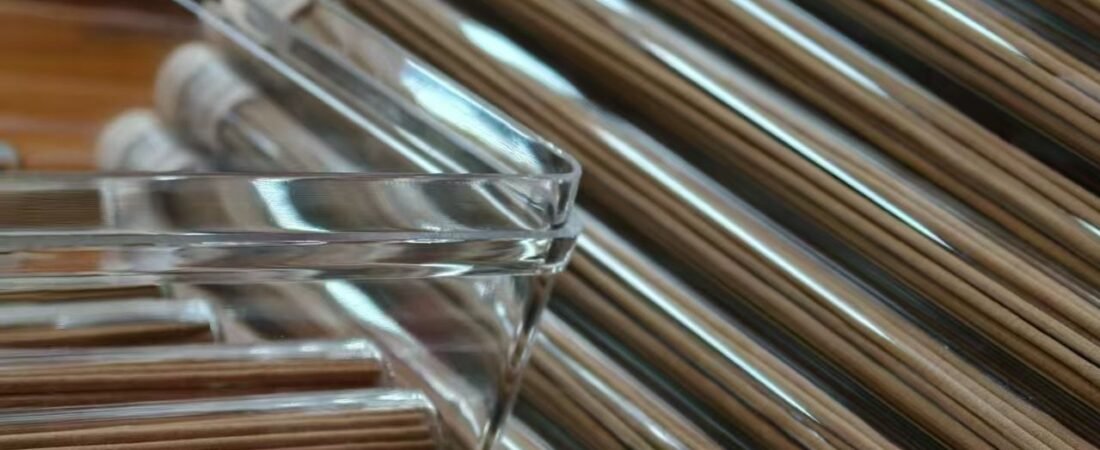
The day I opened my $200 vintage agarwood incense to find it covered in white mold felt like watching money literally rot. Three years of collecting, destroyed by one humid summer and my naive storage in a bathroom cabinet. That expensive lesson launched my obsession with proper incense storage. Now, five years later, I have 50-year-old sandalwood that smells better than when I bought it and a storage system that would make museum curators proud. Let me save you from my mistakes.
Here’s what nobody tells you when you start collecting incense: how you store it matters as much as what you buy. I’ve seen $5 incense stored properly outperform $50 incense stored carelessly. The difference isn’t subtle—it’s the difference between transcendent and trash, sometimes in just one season.
Why Storage Matters More Than You Think
My accidental experiment with identical sticks stored differently opened my eyes. I’d bought two bundles of the same sandalwood incense at a temple gift shop. One bundle went into my bathroom cabinet (mistake number one), the other into my bedroom closet. Six months later, the bathroom bundle smelled like wet cardboard with a hint of mildew. The closet bundle had actually improved—deeper, rounder, more complex.
Incense isn’t static. It’s organic material that continues to change after production. Good storage can actually improve incense through proper aging—volatile oils settle, harsh notes mellow, complexity develops. Bad storage doesn’t just maintain status quo; it actively destroys. Moisture breeds mold, heat evaporates essential oils, light breaks down compounds, and improper air circulation either desiccates or ferments your precious sticks.
The enemies of incense are sneakier than you’d think. It’s not just obvious things like leaving them in a hot car (though I’ve done that too). It’s the subtle humidity from your bathroom, the temperature swings near heating vents, the UV rays from that sunny windowsill where they look so pretty, the scent contamination from storing jasmine next to sandalwood.
Think of incense like tea or spices—natural materials that need protection from elements. You wouldn’t store expensive tea in a humid bathroom or leave saffron in direct sunlight. Yet I see people doing exactly this with incense worth even more. The good news? Once you understand what incense needs, providing it is surprisingly simple.
The Environmental Factors That Kill or Cure
Humidity – The Silent Killer
Humidity is incense enemy number one. Too high, and you get mold, mildew, and that heartbreaking moment when your precious stick breaks apart like wet paper. Too low, and essential oils evaporate, leaving you with expensive aromatic kindling.
The 40-60% humidity sweet spot sounds specific, but it’s actually forgiving. Most climate-controlled homes naturally fall in this range. The problems come from microenvironments—that bathroom cabinet, the basement storage, the attic in summer. I learned to keep a simple digital hygrometer (about $10 on Amazon) wherever I store incense. It’s saved me hundreds of dollars.
Regional challenges are real. Seattle friends battle constant dampness—they need dehumidifiers and silica gel packets. Phoenix friends face the opposite—their incense becomes brittle without careful humidification. The dehumidifier that saved my collection cost $150, but considering it protected thousands in incense, the math was easy.
Seasonal adjustments matter even in moderate climates. Winter heating dries air drastically. Summer humidity creeps in. I now rotate storage locations seasonally—closer to the humidifier in winter, near the dehumidifier in summer. It sounds fussy, but it’s really just moving a few boxes twice a year.
Temperature – The Aging Controller
Temperature stability matters more than the exact degree. Consistent 65°F beats fluctuating between 55°F and 75°F. Heat damage happens invisibly—oils evaporate, resins melt slightly then reharden differently, delicate compounds break down. You don’t see it until you light that stick and wonder why it smells like nothing.
What my car taught me about temperature damage was painful. I left a bundle of premium sandalwood in my glove compartment through a Texas summer. The sticks looked fine, but when burned, they smelled like hot wood, nothing more. The essential oils had literally cooked out, leaving expensive tree skeletons.
Why freezing doesn’t work surprised me. I thought, if cool is good, frozen must be better, right? Wrong. Freezing causes moisture in the wood to expand, creating micro-fractures. When thawed, moisture condenses on the cold incense. I tried this once with cheap sticks as an experiment—they burned unevenly and smelled off afterward.
Garage storage disasters are common. Garages seem logical—out of living spaces, dark, spacious. But they’re temperature chaos. My neighbor stored his inherited incense collection in his garage for one year. Summer heat and winter cold destroyed what decades of careful preservation had maintained.
Light – The Subtle Degrader
UV damage to incense is like UV damage to everything else—slow, steady, irreversible. That beautiful sandalwood that started golden becomes gray. Rich brown agarwood fades to tan. But it’s not just cosmetic—color changes indicate chemical changes. Those compounds creating the color also contribute to scent.
The sun-bleached sandalwood tragedy happened on my windowsill. I displayed my prettiest incense bundle there because it looked so zen with the afternoon light. Three months later, the sun-facing side was completely different from the protected side—lighter color, weaker scent, almost brittle texture.
Dark storage doesn’t mean pitch black, just protected from direct light. A closet, drawer, or cabinet works perfectly. If you must display incense, rotate it regularly or accept that display pieces are sacrificial—beautiful to look at but not your burning stock.
Air Circulation – The Balance
This paradox confused me initially: incense needs air circulation to prevent mold but not so much that volatile oils evaporate. It’s like Goldilocks—not too much, not too little, just right.
Too much air exposure accelerates oil evaporation. That’s why incense sold in open-air markets often disappoints—it’s been breathing too much, exhaling its essence into the atmosphere. Too little air creates stagnation, potentially breeding mold or creating musty odors that penetrate the incense.
Finding the Goldilocks zone took experimentation. Loosely covered containers work better than airtight for most incense. Traditional Japanese wooden boxes have tiny gaps that allow minimal air exchange—enough to prevent stagnation, not enough for significant oil loss. If using airtight containers, open them monthly for air exchange.
Storage Solutions by Incense Type
Stick Incense
The vertical versus horizontal storage debate has passionate advocates on both sides. Vertical supporters claim it prevents warping and allows better air circulation. Horizontal advocates argue it prevents stress on the bamboo core and makes organization easier. After years of testing, here’s the truth: it doesn’t matter as much as people claim. What matters is preventing pressure and maintaining straightness.
My evolved stick storage system uses both methods. Daily-use incense stands vertically in a ceramic holder—easy access, good air circulation, looks nice. Long-term storage lies horizontal in wooden boxes, wrapped in paper (not plastic) in small bundles. No more than 20 sticks per bundle to prevent center sticks from being compressed.
The paper wrapper question gets complicated. Original paper wrapping usually helps, providing protection while allowing breathing. But if the paper smells musty or shows any discoloration, remove it immediately. I rewrap in acid-free tissue paper—the kind used for preserving documents.
Bamboo core considerations matter for stick incense. The core can absorb and release moisture differently than the incense material, causing splitting or warping. Store bamboo-core incense with slightly lower humidity than pure incense—35-50% instead of 40-60%.
Powder Incense
Powder incense storage is non-negotiable: airtight is mandatory. Powder has maximum surface area exposed, making it vulnerable to everything—moisture, air, contamination. One humid day can turn precious sandalwood powder into unusable clumps.
The spice jar revelation came while organizing my kitchen. Those airtight spice jars with rubber gaskets? Perfect for incense powder. Dark glass protects from light, gaskets seal completely, sizes accommodate different quantities. I now have a whole shelf that looks like a spice rack but contains incense ingredients.
Glass versus metal versus ceramic each has merits. Glass lets you see contents without opening (important for powders that look similar). Metal is unbreakable and completely light-proof. Ceramic is traditional and maintains stable temperature. I use all three, matching container to contents value—ceramic for precious agarwood powder, glass for daily sandalwood, metal for travel.
Labeling that lasts is crucial for powders. Everything eventually becomes anonymous brown powder without labels. I use a label maker with plasticized labels, including: material name, source, purchase date, and any blending notes. Inside the container, I add a small paper with the same information in case the outside label fails.
Coil and Cone Storage
Shape preservation for coils and cones requires gentle handling and proper support. Coils break easily at stress points. Cones can crumble at tips or bases. Both can deform under their own weight if stored improperly.
The egg carton hack revolutionized my cone storage. Paper egg cartons provide individual compartments, cushioning, and breathability. Each cone gets its own cup, no touching, no pressure. For coils, I use paper plates as separators in boxes, preventing tangling and distributing weight.
Individual versus bulk storage depends on usage patterns. Daily-use coils can stay together in one container. Special occasion or rare coils get individual storage. I learned this after a bundle of everyday coils transferred their scent to a special anniversary coil stored alongside.
Transport solutions matter because coils and cones are fragile. Small tins with cotton padding work for a few cones. Coils travel best flat between cardboard sheets. Never transport in plastic bags—I watched someone’s entire coil collection become crumbs this way during a move.
Precious Woods and Resins
Investment-grade storage isn’t extravagance when you’re storing agarwood worth more per ounce than gold. These materials deserve museum-quality preservation. Temperature-controlled storage, humidity monitoring, individual containers, documentation—it sounds excessive until you calculate replacement costs.
Treating agarwood like wine isn’t just metaphor. Both are organic materials that age, both can improve or deteriorate with storage, both have collection and investment potential. I store my best agarwood in a wine refrigerator set to 55°F with 50% humidity. Each piece wrapped in washi paper, then stored in individual paulownia boxes.
Documentation importance cannot be overstated for valuable pieces. Photos from multiple angles, weight measurements, source information, purchase receipts, storage history—all goes in both physical and digital files. Insurance companies require this documentation, and if you’re collecting seriously, you need insurance.
Container Deep Dive: Materials Matter
Wood Boxes – Traditional Choice
Paulownia wood (kiri) superiority isn’t just tradition—it’s science. This Japanese wood naturally repels insects, resists humidity changes, and doesn’t impart its own scent. It’s also incredibly light yet strong. My Japanese box investment of $200 for a large paulownia chest seemed extravagant five years ago. Now, storing $2000 worth of incense that’s actually improved with age, it seems like a bargain.
Cedar presents a dilemma. It repels insects naturally (great!) but has its own strong scent (problematic!). I use cedar for storing cheaper daily incense where scent transfer doesn’t matter. Never store delicate florals or expensive agarwood in cedar unless you want everything smelling like a closet.
Avoiding scent transfer requires understanding wood porosity. Soft woods absorb and release scents readily. Hard woods less so. Bamboo boxes look pretty but are terrible for mixed storage—everything eventually smells like bamboo-influenced everything else.
Glass Containers – The Modern Solution
Mason jars aren’t just for pickles—they’re nearly perfect incense storage. Airtight seal, visual access, various sizes, stackable, affordable. I have fifty mason jars in various sizes, each holding different incense types. Dark amber jars for light-sensitive materials, clear for daily-use items I need to see.
Size considerations matter more than you’d think. Too large, and you’re storing mostly air, accelerating oil evaporation. Too small, and you’re cramming, potentially damaging delicate incense. The rule: container should be 70-80% full, allowing some air space without excess.
Stackability factors become important as collections grow. Square jars use shelf space more efficiently than round. Wide-mouth jars allow easier access than narrow. Consider your shelf dimensions before investing in a container system.
Metal Tins – The Practical Option
The cookie tin inheritance from my grandmother taught me about metal storage. Her 40-year-old tins still smell faintly of butter cookies, proving both durability and the importance of scent memory in metal. Now I scout vintage tins at estate sales—they’re often better quality than modern ones.
Rust prevention is essential with metal. A single rust spot can spread and contaminate incense with metallic odors. I add silica gel packets to metal tins and check quarterly for any corrosion signs. Lined tins are safer—the food-grade lining prevents metal-incense interaction.
Travel durability makes metal invaluable. Glass breaks, wood crushes, but metal tins survive luggage handling. My travel incense kit uses small vintage tobacco tins—completely smell-proof, totally protective, TSA-friendly.
Avoid These Materials
Plastic problems multiply over time. Static electricity attracts powder. Many plastics off-gas, contaminating incense. Plastic doesn’t breathe, trapping moisture. Some incense oils actually dissolve certain plastics. I’ve seen plastic containers develop mysterious oily residues that ruin incense.
Materials that seemed good but weren’t: fabric pouches (absorb oils and scents), newspaper (acid in paper reacts with incense), rubber bands (deteriorate and stick to incense), leather (too porous, absorbs everything), untreated cardboard (absorbs moisture then transfers it).
Organization Systems That Actually Work
The Catalogue Method
My incense inventory evolution started with sticky notes and devolved into chaos before finding structure. Now I maintain a simple spreadsheet: item name, source, purchase date, storage location, quantity remaining, tasting notes, quality rating. It sounds obsessive until you’re looking for that specific sandalwood you bought two years ago and can find it in seconds.
Photo documentation helps enormously. I photograph each new purchase next to its label and receipt. These photos go in a dedicated folder, named by date and item. When someone asks “what was that incense you burned last month?”—I can actually answer.
Burn rate tracking revealed surprising patterns. I thought I was burning variety, but data showed 80% of burns were the same five types. This helped me adjust purchasing—buying more of what I actually use, less of what just looks pretty.
Physical Organization
The daily/special occasion split simplified my life. One drawer holds this week’s burning selection—easy access, no decision paralysis. Special occasion incense lives in the storage closet—protected, preserved, purposeful. Monthly, I rotate some special into daily rotation, keeping things fresh.
Seasonal rotation makes sense practically and philosophically. Summer incense (lighter, more floral) comes forward in May. Winter incense (heavier, warming) emerges in October. This natural rotation ensures everything gets used and nothing languishes forgotten.
The library card system adaptation works brilliantly for large collections. Each storage box gets a number. Each incense type gets an index card listing its box number. Want rose incense? Check the R cards, find box numbers, go directly there. No more opening every box hunting for something specific.
Labeling for Longevity
What I wish I’d labeled from the start: everything. Early purchases are mysteries now—when bought? Where from? How much paid? Which worked well? Labels aren’t just identification; they’re history.
Information to include: name (common and Chinese if applicable), source, purchase date, price (helpful for insurance), storage date, any special notes. For blends: all ingredients and ratios. For gifts: who gave it and when (adds meaning).
Fade-proof methods matter because labels outlast their readability. Pencil on acid-free paper lasts forever. Label makers with UV-resistant tape work well. Never use regular pen—it fades or bleeds. Never use stickers—they deteriorate and leave residue.
Special Storage Situations
Travel Storage
The business trip kit evolved through painful trial and error. TSA once confiscated my incense thinking it was… something else. Now I carry documentation: receipts showing it’s incense, printed TSA guidelines allowing incense, containers clearly labeled. No problems since.
Crush-proof containers are mandatory for travel. Hard-sided cases, metal tins, or plastic tubes designed for cigars. Pack these in the center of your suitcase, surrounded by clothing. Never in outside pockets where they get crushed.
Hotel room storage requires creativity. Bathroom humidity is terrible. Window sills get hot. I use the closet shelf, adding a towel barrier between incense and any scented hotel sachets. The room safe works for valuable pieces—stable temperature, dark, secure.
Long-term Aging
My 5-year aging experiment compared identical incense stored various ways. The winner: consistent cool temperature, moderate humidity, minimal air exposure, complete darkness. The properly aged incense developed complexity impossible in fresh incense—like comparing young wine to aged vintage.
Creating aging conditions doesn’t require special equipment. A closet shelf in a climate-controlled room works. Add a small box with ventilation holes, wrap incense in paper, check annually but don’t disturb unnecessarily. Patience is the main ingredient.
Documentation methods for aging must be detailed. Starting condition photos, annual check notes, any storage changes. I learned this after forgetting which batch was which in a two-year experiment. Now everything gets tagged and tracked.
Display vs. Preservation
The beautiful but functional solution came from Japanese display tradition. They show one perfect example while storing the rest. I display one bundle of each type in a glass cabinet, rotating monthly. The display pieces are sacrificial—I accept they’ll degrade—but the stored collection stays perfect.
Guest accessibility matters if you share your incense. I keep a “guest selection” in an accessible box—good quality but not irreplaceable. Clear labels, burning instructions, even pre-cut samples. Guests feel welcomed, precious collection stays protected.
Emergency Situations
Lessons from the basement flood haunt me still. Water reached my lower shelves before I noticed. Quick action saved most: immediate removal to dry space, gentle fan circulation (not heat), separation of wet pieces, patience. Some developed mold anyway, but 70% recovered fully.
Power outage protocols become important in extreme climates. No climate control means rapid humidity and temperature changes. During extended outages, I move incense to the most stable room (usually interior, ground floor), add extra desiccants, and monitor closely.
Insurance documentation should include photos, receipts, descriptions, and current replacement values. My insurance company initially offered $50 for “various incense” until I provided documentation showing $2000 replacement value. Now I video my collection annually, narrating details.
Signs of Deterioration and Recovery
Visual indicators of problems are usually obvious once you know what to look for. Color fading or darkening, white crystalline deposits (mold), oily spots (resin separation), brittle texture (over-drying), soft spots (moisture damage). The earlier you catch problems, the better recovery chances.
Smell changes tell stories. Musty means mold starting. Sharp or acrid means oils oxidizing. Weak means oils evaporating. No smell means dead incense—time to let go. Trust your nose over your eyes.
Saving the unsaveable sometimes works. Mild mold on expensive incense? Gentle brushing with soft brush, then thorough drying, sometimes saves it. Sun-faded but structurally sound? Still burns, just weaker. Slightly damp? Careful dehumidification can recover it. But know when to quit—moldy incense isn’t worth health risks.
The Aging Process: When Storage Becomes Alchemy
Which incense improves with age surprised me. Sandalwood definitely improves—harsher notes mellow, sweetness emerges. Agarwood becomes more complex. Frankincense develops depth. But florals often fade, light herbs lose potency, and anything synthetic just degrades.
The 6-month, 1-year, 5-year changes follow patterns. Six months: settling and initial mellowing. One year: noticeable smoothing of sharp notes. Five years: significant complexity development in quality incense. Beyond that, improvements slow but continue for decades in proper storage.
My oldest incense, a 50-year-old Tibetan temple blend inherited from a traveling friend, demonstrates aging potential. It smells completely different from modern versions of the same formula—deeper, rounder, almost wine-like in complexity. It’s irreplaceable, stored in triple protection, burned only on life’s major moments.
Investment potential reality check: yes, some incense appreciates in value, but it’s not a retirement plan. Appreciation requires: exceptional starting quality, perfect storage, documented provenance, and market demand. Most incense is for burning, not banking.
Your Collection Deserves Respect
Proper storage isn’t about being precious or obsessive—it’s about respecting the materials, the craftsmanship, and yes, your investment. The same stick of incense stored properly versus carelessly can be the difference between transcendent and trash in just one season.
Start with one simple improvement: get your incense out of the bathroom. Then build from there. Maybe add a humidity meter next month. Upgrade containers when budget allows. Develop organization gradually. Perfect storage isn’t necessary immediately—good enough storage implemented today beats perfect storage planned for someday.
Your future self (and nose) will thank you when you open that properly stored sandalwood a year from now and find it’s actually improved. When that special occasion incense is still special after two years of waiting for the right moment. When your collection becomes not just incense but a library of scents, each perfectly preserved, ready to transport you whenever needed.
Storage is love made practical. It’s saying “this matters enough to protect.” It’s the difference between consuming and collecting, between using and preserving. Get it right, and your incense will reward you with experiences that poorly stored incense could never provide.
Quick Storage Audit Checklist
□ Current humidity level checked (40-60% ideal)
□ Temperature consistency verified (avoid fluctuations)
□ Light exposure minimized (darkness preferred)
□ Containers sealed properly (airtight for powders)
□ Different types separated (prevent scent mixing)
□ Labels clear and complete (include dates)
□ Inventory documented (photos help)
□ Rotation schedule planned (seasonal adjustment)
□ Valuable pieces insured (document everything)
□ Emergency plan ready (flood/fire/power loss)
Storage Investment Levels
Beginner ($20):
- 3-4 glass jars with lids
- Basic digital humidity meter
- Dark cardboard storage box
- Simple labels or masking tape
Intermediate ($100):
- Variety of sized containers
- Small dehumidifier or humidifier
- Wooden storage box
- Label maker
- Silica gel packets
- Acid-free tissue paper
Serious Collector ($500+):
- Climate-controlled storage area
- Professional storage furniture
- Multiple humidity monitors
- Archival preservation materials
- Insurance documentation system
- Paulownia or cedar storage chests
Red Flags – Storage Mistakes to Fix Today
- Bathroom storage – Humidity destroys everything
- Near heating/cooling vents – Temperature swings kill oils
- Original plastic bags – No air circulation, chemical reaction
- Mixed types together – Scent contamination guaranteed
- No labeling – Mystery incense has no value
- Direct sunlight – UV damage is permanent
- Loose in drawers – Damage and contamination
- In the car – Temperature extremes destroy
- Near strong odors – Incense absorbs everything
- In damp basements – Mold paradise
Recommended Products
Humidity Meters:
- ThermoPro TP50 ($8-10) – Basic but reliable
- Govee WiFi Hygrometer ($20-30) – Phone monitoring
Containers:
- Ball Mason Jars – Various sizes, airtight
- Infinity Jars – UV protection glass
- Japanese Paulownia Boxes – Traditional best
Dehumidifiers:
- Eva-dry E-333 – Small spaces
- Pro Breeze Electric Mini – Medium spaces
Labels:
- Brother P-touch Label Maker – Fade resistant
- Avery Acid-Free Labels – Archival quality
FAQ
Q: Can I store incense in the refrigerator? A: Generally no. Refrigerators have high humidity and temperature fluctuations when opened. The exception: wine refrigerators set to 55°F with controlled humidity can work for valuable pieces.
Q: How long does properly stored incense last? A: Quality natural incense stored properly lasts decades, potentially improving with age. Synthetic incense degrades within 2-5 years regardless of storage. I have 30-year-old sandalwood that’s better than when new.
Q: Should I keep incense in original packaging? A: Depends on the packaging. Paper wrapping yes (if clean and dry), plastic no (causes sweating), boxes maybe (if breathable). When in doubt, rewrap in acid-free paper.
Q: Is it okay to store different scents together? A: No. Scents transfer and contaminate each other. Even in separate containers within the same box, strong scents affect subtle ones. Separate by intensity at minimum, individually ideally.
Q: What’s the white stuff on my incense? A: Usually mold from excess humidity. Sometimes crystallized oils (if uniform and not fuzzy). Mold is fuzzy, grows in patches. Oil crystallization is uniform, sparkly. Mold means discard; crystals are often harmless.
Q: Can I revive dried out incense? A: Sometimes. Place in container with humidity source (damp sponge separated by screen) for 24-48 hours. Don’t overdo—too much moisture causes mold. Success rate about 50% depending on damage.
Q: Should I vacuum seal rare incense? A: No. Vacuum sealing crushes delicate materials and prevents beneficial air exchange. Better: wrapped in paper, stored in paulownia box, climate-controlled environment. Vacuum sealing is for coffee, not incense.
Q: How do I store partially burned sticks? A: Let cool completely, store separately from fresh incense (burnt ends can transfer harsh smells), mark as partial (to use first), keep in ventilated container. I have a dedicated “partials” tin.
What’s your biggest incense storage fail? Mine was the time I stored sandalwood and jasmine together for a year and created an ungodly hybrid smell that haunted me for months. Share your storage disasters and victories below—we learn from both! And if you’ve discovered any creative storage solutions I haven’t covered, I’d love to hear about them. The collective wisdom of incense lovers has taught me more than any manual ever could.
Show me your storage solutions! Post photos of your incense organization—whether it’s a simple jar or elaborate cabinet. Use #IncenseStorage and I’ll feature the most creative solutions in next month’s newsletter.