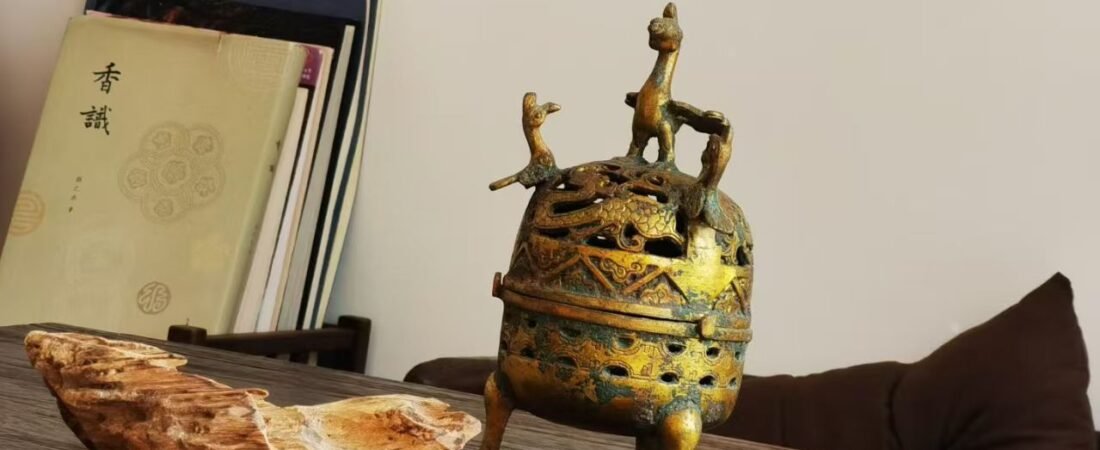
I used to think of incense as either the thick, sweet smoke billowing from a temple in a travel documentary, or the overpowering, cloying scent that lingered after a particularly enthusiastic yoga class. For years, my personal toolkit for unwinding and focusing was pretty standard: a trusty diffuser with some lavender essential oil, or occasionally burning a smudge stick of sage if I felt particularly scattered. They worked, mostly.
But something always felt… incomplete. Essential oils, for all their benefits, felt a bit too “bright,” too surface-level for the deep mental recalibration I craved. Sage was grounding, yes, but often left a lingering scent that felt more like a clean-up than an invitation to quiet.
Then, a few years ago, I stumbled upon it: a small, unassuming box of Chinese incense sticks, specifically a type of sandalwood. I lit one, not expecting much. The flame caught, a tiny orange glow at the tip, and then a thin, almost impossibly straight plume of smoke began its slow, deliberate ascent.
And that was it. That was my switch.
The aroma wasn’t sweet, not aggressively floral, nor did it carry the familiar sharp notes of many Western “incense” options. Instead, it was warm, earthy, with an underlying creamy depth that felt like an ancient library or a sun-drenched forest floor after a gentle rain. In that moment, watching the ephemeral smoke dance, my chattering mind, usually so resistant to stillness, softened. It was an immediate signal: Okay, brain. It’s time to slow down. Really slow down.
Clearing the Air: It’s Not What You Think
Let’s be honest: for many of us in the West, “incense” often conjures images that aren’t exactly conducive to mindful relaxation. We picture thick, black smoke, perhaps a little suffocating. But Chinese incense, especially the good stuff, is a different beast entirely.
Forget the Bamboo Core: The biggest difference you’ll often find is that many Chinese incenses (especially the stick variety I favor) are coreless. This means they’re made entirely of finely ground natural materials – precious woods, herbs, and resins – pressed into a stick. Indian incenses, on the other hand, often have a bamboo core which, while functional, can sometimes impart a slightly burnt or harsher undertone to the scent. Chinese incense burns cleaner, purer, allowing the true aroma of the ingredients to shine through.
Natural vs. Artificial: Good quality Chinese incense is an experience in natural aromatics. It smells like what it’s made from – wood, earth, subtle spices. It’s less about creating a “perfume” and more about releasing the inherent spirit of the plant materials. This translates to an aroma that’s less about being “pretty” and more about being grounding and profound.
The “Big Two”: Understanding the Scents for Your Practice
You don’t need to become an expert on every single herb and wood used in Chinese incense making. To start, there are two primary players that will open up a world of aromatic possibility for your meditation practice:
- Sandalwood (檀香 – Tánxiāng): The Friendly Introduction.If you’re new to this world, start here. Sandalwood is like that warm, comforting friend who always knows how to make you feel at ease. Its aroma is naturally creamy, woody, and slightly sweet but never cloying. It has a bright, uplifting quality that makes it perfect for:
- Morning meditation: A gentle nudge into focus and clarity.
- Study or creative work: When you need a sustained, calm concentration.
- Anytime you need a gentle reset: It’s almost universally appealing and rarely overwhelming.
- Agarwood (沉香 – Chénxiāng): The Deep Dive.Now, if sandalwood is a friendly hug, agarwood is a journey into the ancient depths of a forest after a long, soaking rain. This is the connoisseur’s choice, and for good reason. Agarwood is incredibly complex, with layers that reveal themselves as it burns. It’s often described as earthy, woody, slightly musky, with hints of medicinal sweetness and even a subtle mineral quality. It’s less “pretty” and more “profound.”Agarwood is fantastic for:
- Deep meditation and introspection: Its complexity encourages your mind to settle and observe.
- Evening wind-down: A sophisticated aroma that signals the day’s conclusion.
- Post-yoga Savasana: Elevating that moment of complete surrender.
The Lazy Ritual: How I Actually Burn It (No Fancy Setup Required)
One of the beautiful things about Chinese incense is how low-fuss it can be. You don’t need an elaborate altar or a gold-gilded censer (unless you want one, of course!).
Here’s my go-to “lazy ritual”:
- The Holder: All you really need is something to hold the stick upright and catch the ash. My absolute favorite, and most practical, method is a small ceramic bowl filled with white rice or even old incense ash. Just stick the end of the incense into the rice/ash, and it stands perfectly. The ash falls neatly into the bowl, making cleanup a breeze. If you prefer something prettier, a simple gourd-shaped brass holder is elegant and minimalist.
- The Burn: I light the tip, let it flame for a second or two, then gently blow it out until only a glowing ember and that beautiful wisp of smoke remain.
- Ventilation is Key: This is important! Chinese incense isn’t meant to fill a room with thick smoke. It’s about a gentle, evolving aroma. I always ensure there’s a little airflow – maybe a window slightly ajar, or a door open – to allow the scent to circulate and prevent it from becoming stagnant or overwhelming. A gentle breeze also makes that smoke dance beautifully.

Pairing: Tea & Space for Ultimate Sensory Calm
For me, Chinese incense isn’t just a solo act; it’s a key player in creating a holistic sensory experience.
- Pre-Meditation Ritual: Instead of lighting it during my meditation, I prefer to light it about 5-10 minutes before I sit. This allows the initial burst of smoke to dissipate and the lingering “after-scent” to permeate the space. It’s a softer, more subtle embrace, rather than having smoke directly in my face while I’m trying to find stillness.
- The Perfect Brew: There’s something truly magical about pairing a good quality Chinese incense with a warm cup of tea, especially a rich Pu-erh or a fragrant Oolong. The interplay between the earthy aroma of the incense and the complex flavors of the tea creates a moment of unparalleled self-care. It’s a complete sensory reset.
A Gentle Invitation to Pause
In our hyper-connected, always-on world, finding moments of genuine stillness can feel like a luxury. Chinese incense, for me, isn’t just about a pleasant smell; it’s a deliberate act of carving out time. Watching a single stick of incense burn down, taking anywhere from 20 to 45 minutes, becomes a tangible representation of slowing down. It’s a silent promise to yourself: For the next half hour, I’m just going to be here, with the smoke, the scent, and my breath.
If you’ve been searching for a deeper anchor for your meditation, or simply a more refined way to unwind, I genuinely encourage you to give it a try. Pop into your local tea shop, or explore a reputable online vendor. Start with a good quality sandalwood.
You might just find, as I did, that this ancient tradition offers exactly the modern pause your soul craves.