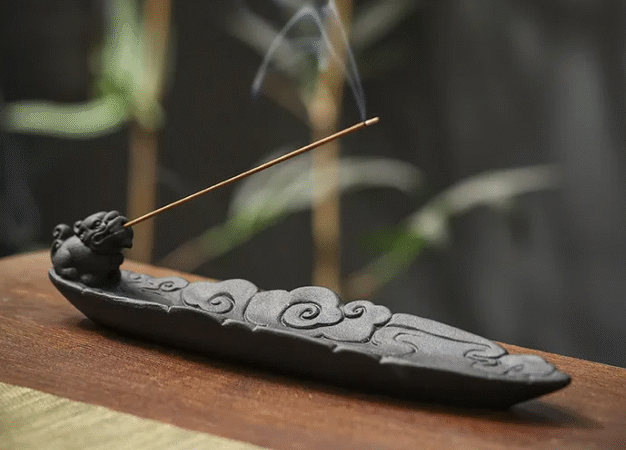
When my daughter developed asthma at age seven, I stared at my collection of Chinese incense with genuine dread. Was my daily ritual hurting her? That panicked 2 AM Google session led me down a rabbit hole of conflicting information, scary studies, and forum arguments. Three years later, after actual research, conversations with doctors, and yes, some mistakes, I can give you the nuanced answer nobody seems willing to share: Chinese incense CAN be safe, but the details matter enormously.
Let me be clear from the start—I’m not a doctor, and this isn’t medical advice. I’m someone who loves incense, has a family to protect, and has spent way too much time figuring out how to balance both. If you have specific health concerns, talk to your healthcare provider. But if you want real-world experience from someone who’s navigated these waters, pull up a chair.
The Uncomfortable Truth Nobody Talks About
Let’s start with the elephant in the room: all smoke has risks. There, I said it. Whether it’s from incense, candles, your fireplace, or that burnt toast this morning, inhaling smoke isn’t ideal for human lungs. But life is about calculated risks, and the key word is “calculated.”
Here’s what really matters: there’s a massive difference between “traditional Chinese incense” and “incense from China.” That pack of 100 sticks for $2.99 that says “Made in China”? That’s not traditional Chinese incense—that’s mass-produced synthetic fragrance on a stick. It’s like comparing Tang to fresh-squeezed orange juice. Both orange-colored drinks, vastly different health implications.
Traditional Chinese incense uses natural ingredients: sandalwood, agarwood, herbs, resins, natural binders. The cheap stuff? Synthetic fragrances, chemical binders, coal powder for burning, and sometimes ingredients that aren’t even listed. The day I realized my “sandalwood scented” incense contained zero actual sandalwood was the day I started taking ingredients seriously.
Natural doesn’t automatically mean safe, though. Poison ivy is natural. So is tobacco. The question isn’t just “is it natural?” but “what is it, how much, how often, and how is it used?” This nuance is what most safety discussions miss.
I’ve made plenty of mistakes on this journey. Like the time I burned incense in my daughter’s room while she slept, thinking the smell would give her good dreams. Or when I used incense to “purify” the air after cooking fish, essentially doubling the particulate matter in our kitchen. Learning safety isn’t about perfection—it’s about continuous improvement.
The Real Safety Concerns (And Which Ones Are Overblown)
Legitimate Concerns
Let’s talk about what actually deserves your attention:
Particulate Matter (PM2.5) sounds scary and scientific, but it’s simple: tiny particles that can get deep into your lungs. Incense produces these, no sugar-coating it. But so does cooking, especially frying. The question isn’t whether incense produces PM2.5, but how much and how often you’re exposed. One stick in a ventilated room is vastly different from temple-level burning in a closed space.
Carbon Monoxide can be produced by incomplete combustion. This is why ventilation isn’t optional—it’s essential. My smoke detector incident of 2021 taught me this dramatically. I was burning multiple sticks in my tiny home office with the door closed during a video call. The carbon monoxide detector went off, sending me scrambling to explain to my colleagues why I was suddenly evacuating. Lesson learned: respect the chemistry.
Allergic Reactions are real and individual. What’s perfectly fine for me might trigger your allergies. Start small, pay attention to your body. Headaches, throat irritation, itchy eyes—these aren’t spiritual awakenings, they’re your body saying “nope.”
Pet Safety is non-negotiable. Cats and dogs have different metabolisms than humans. Some incense ingredients, particularly essential oils, can be toxic to pets. My cat taught me this by completely avoiding any room where I burned certain types of incense—animals know.
Fire Hazards seem obvious but bear repeating. Incense is literally something burning in your home. Respect that. I’ve seen too many “I just stepped out for a minute” stories end badly.
Overblown Fears
Now, let’s deflate some hysteria:
“Incense causes cancer” headlines are everywhere, usually citing the same few studies. But read deeper. These studies often focus on temple workers exposed to massive amounts of incense smoke for decades, or they lump all incense together without distinguishing types. It’s like studying “beverages” without differentiating between water and whiskey.
The Formaldehyde Panic needs context. Yes, burning organic matter can produce formaldehyde. So does your gas stove, your fireplace, and that new carpet. The amounts from occasional incense use in ventilated spaces are typically below concerning levels. The dose makes the poison.
Heavy Metals in incense are a source quality issue, not an incense issue. Cheap incense from questionable sources might contain heavy metals from contaminated materials or added colorants. Quality natural incense from reputable sources? Different story entirely.
Why that scary study your aunt shared on Facebook misses the point: it probably didn’t account for ventilation, frequency of use, type of incense, or comparative risks. If we avoided everything with any risk, we’d never leave our homes—oh wait, indoor air is often more polluted than outdoor air. See the problem with absolute thinking?
Natural vs. Synthetic: The Game-Changing Difference
What’s Actually in Your Incense
Traditional Chinese incense contains things you can pronounce: sandalwood powder, agarwood, cinnamon bark, clove, star anise, natural tree resin, honey. The ingredient list reads like a spice rack, not a chemistry set.
Synthetic incense is a different beast. Dipropylene glycol (DPG) as a solvent. Diethyl phthalate (DEP) to make fragrances stick. “Fragrance” or “Parfum” on the label—meaningless catch-all terms that could hide hundreds of chemicals. The $1 incense pack that gave me headaches for days? The ingredients list just said “fragrance, wood powder, binding agent.” That’s not transparency; that’s a red flag convention.
Reading labels when they exist is crucial, but many incense packages don’t list ingredients at all. This should tell you something. If a food product didn’t list ingredients, would you eat it? Same principle applies to something you’re burning in your living space.
Price as a quality indicator usually works. I’m not saying expensive automatically means safe, but $20 for 20 sticks of handmade incense probably involves better materials than $2 for 100 sticks. The math alone should make you suspicious. How can something be harvested, processed, crafted, packaged, shipped across the world, distributed, and sold for 2 cents per stick using quality materials? It can’t.
How to Identify Quality Chinese Incense
Visual cues matter. Natural incense often has inconsistent color—because nature isn’t uniform. That perfect purple color? Nature doesn’t make purple wood. Texture should be somewhat rough, not smooth like plastic. You might see actual plant material. Uniformity is a machine’s goal, not nature’s.
The snap test: Break a stick. Natural incense breaks somewhat unevenly and you might see fibers. Synthetic incense often breaks cleanly, sometimes revealing a different colored core (the cheap bamboo dipped in fragrance).
Burn characteristics tell the truth. Natural incense produces gray-white ash that’s soft and light. Synthetic incense often leaves hard, dark ash. Natural incense smoke rises gently and dissipates. Synthetic smoke can be thick, clingy, and leave a chemical aftertaste in the air.
My three-supplier rule: I only buy from suppliers who can answer three questions: Where do your materials come from? What’s your manufacturing process? Can you list all ingredients? If they can’t or won’t answer, I move on. Good suppliers are proud of their sourcing and happy to share.
The Safety Protocol I Actually Follow
Ventilation: The Non-Negotiable
The 15-minute rule saved my relationship with incense. Burn for 15 minutes maximum in any closed space, then ventilate for at least 15 minutes. This isn’t some ancient wisdom—it’s practical air exchange management.
Cross-ventilation beats a single window every time. Open a window where you’re burning and another across the room or in an adjacent room. This creates airflow that moves smoke out rather than just diluting it. In my 400 sq ft apartment, I open the living room window and crack the bedroom door with that window open too. The gentle draft pulls smoke through and out without disturbing the burn.
Seasonal adjustments are necessary. Winter in cold climates makes ventilation challenging. I burn less in winter, use electric heaters more, and sometimes move my practice near the bathroom with the exhaust fan running. Summer is glorious—windows wide open, incense on the balcony, natural air flow doing the work.
Small space solutions require creativity. Studio apartment? Burn near the bathroom with exhaust fan on. No windows? Don’t burn traditional incense—use electric heaters or skip it entirely. RV or tiny house? Outside only, or right by the door with it open. Safety trumps ambiance every time.
Timing and Quantity Guidelines
The 20/60 rule structures my burning: 20 minutes maximum burning time, then 60 minutes of clear air before burning again. This gives particulates time to dissipate and your lungs time to clear. It’s arbitrary but effective.
Morning vs. evening considerations matter. Morning burning happens before everyone’s fully up, allowing time to ventilate before the day starts. Evening burning ends at least an hour before bed—you don’t want to sleep in lingering smoke, however subtle.
My weekly incense schedule that keeps everyone happy: Daily morning stick (weekdays only), Evening stick on Fridays, Longer session Sunday mornings when everyone’s out or outside. This routine means roughly 7-8 sticks per week, always with ventilation, never when anyone’s feeling unwell.
Safe Burning Practices
Proper holders aren’t just tradition—they’re safety equipment. A stable, non-flammable holder on a heat-proof surface. My setup: ceramic holder on a stone coaster on a wooden shelf. Three layers of protection might seem excessive until it isn’t.
The 3-foot rule from fabrics is non-negotiable. Curtains, cushions, papers, clothing—nothing flammable within three feet. Ash can travel, especially with air movement. That beautiful tapestry behind your incense burner? Move it.
Never leaving it unattended—but let’s be realistic. You’re not going to stare at incense for 30 minutes. My timer system: Set phone timer for 30 minutes when lighting. If I need to leave the room for more than a bathroom break, I take the burning incense with me (in its holder) or extinguish it. The timer reminds me to check and ensures I never forget it’s burning.
Ash disposal safety seems obvious but isn’t. Ash can hold heat for hours. I have a designated metal tin for ash. Dump it there, let it cool completely, then transfer to trash. Never dump directly into a wastebasket with paper. Never dump outside on dry leaves. Ask me how I know.
Emergency extinguishing methods: Small cup of water always nearby. If something goes wrong, dunk the burning end. For powder incense, simply separate the burning portion from the unburnt. For cones, lift and drop in water. Practice this when you’re not panicked so you’ll know what to do if needed.
Special Considerations for Sensitive Situations
Kids and Incense
Having a child with asthma forced me to rethink everything. Here’s what works for us:
The separate room strategy: I burn incense only in rooms she’s not currently in, with doors closed. After burning, ventilate thoroughly before she enters. This might seem overcautious, but her health trumps my preferences.
Teaching safety without fear was crucial. She knows incense is “like candles—pretty but needs respect.” She can identify when incense is burning, knows not to touch, and understands why mommy opens windows. No fear, just awareness.
Signs of sensitivity to watch for: Coughing, eye rubbing, complaints about smell, behavior changes during or after burning. Kids might not articulate discomfort clearly. Watch their bodies, not just their words.
How we made it work with an asthmatic child: Reduced frequency (daily to twice weekly), Switched to higher quality natural incense only, Invested in a good air purifier for her room, Burn only in my office or outside, and maintain open communication with her pulmonologist about our practices.
Pregnancy Concerns
What research actually says is surprisingly limited. Most studies on incense and pregnancy focus on heavy occupational exposure or don’t differentiate between incense types. The general medical consensus: minimize smoke exposure during pregnancy, but occasional incense use in well-ventilated spaces likely poses minimal risk.
What my midwife told me: “If it makes you happy and relaxed, and you’re using common sense about ventilation, the stress reduction probably outweighs any minimal risk. But if you’re worried about it, that stress isn’t worth it. Listen to your comfort level.”
Many pregnant women find certain scents suddenly nauseating. If incense suddenly smells awful, your body is communicating. Listen.
Pet Safety
Ingredients toxic to cats and dogs include many essential oils. Tea tree, eucalyptus, cinnamon oil (different from cinnamon bark), and pennyroyal are particularly dangerous. Cats are more sensitive than dogs due to liver differences.
Safe placement with pets means higher than they can reach and away from favorite lounging spots. Cats jump, so “high” means really high or behind closed doors. Dogs are ground-sniffers, so floor-level burning is out.
Signs of pet distress: Leaving the room, excessive grooming, watery eyes, sneezing, lethargy, loss of appetite. If your pet consistently avoids incense areas, respect that.
Alternative options for pet households: Electric incense heaters (less smoke), Burning only when pets are outside, Pet-safe essential oil diffusers (research each oil), or accepting that incense might not work for your household.
Respiratory Conditions
If you have asthma, COPD, or other respiratory conditions, please talk to your doctor first. That said, some of my readers with mild asthma have shared successful modifications:
- Electric heaters instead of burning
- Very short sessions (5 minutes) with maximum ventilation
- Only when symptoms are well-controlled
- Never during respiratory infections
- Keeping rescue inhalers accessible
When to avoid completely: During respiratory infections, high pollution days, when anyone in the household is experiencing breathing difficulties, if you’ve been advised by healthcare providers to avoid smoke, or if you experience any adverse reactions.
Making It Safer: Practical Modifications
Alternative Methods
Electric incense heaters changed the game for sensitive folks. No combustion means no smoke, no carbon monoxide, no particulates. You still get scent from gentle heating. It’s different—subtler, lighter—but for many situations, better. My mother-in-law with COPD can enjoy incense again thanks to electric heaters.
Essential oil alternatives work for some. Not the same experience, but if health prevents traditional incense, a quality diffuser with pure essential oils provides aromatic atmosphere without combustion concerns.
Shorter burning sessions reduce exposure. Instead of a 45-minute stick, break it in half. Burn for 10 minutes then extinguish. You get the ritual and scent without extended exposure.
Outdoor burning for special occasions eliminates indoor air concerns entirely. Weather permitting, I’ll take a meditation cushion outside for longer incense sessions. Nature provides infinite ventilation.
My hybrid approach that satisfies everyone: Electric heater for daily aromatherapy, Traditional burning twice weekly with full ventilation, Outdoor sessions weather permitting, Essential oil diffuser for my daughter’s room, and everyone gets input on household rules.
Creating Safe Zones
Designated burning areas streamline safety. My office is the “incense zone”—air purifier installed, window access easy, door can be closed, family knows the rules. Containing burning to one area simplifies ventilation and safety management.
Time-based room rotation works for shared spaces. Morning burning happens before anyone uses the living room. Evening burning only after dinner cleanup when we’re moving to bedrooms. This natural rotation means no one’s stuck in smoke they didn’t choose.
The guest protocol: Before overnight guests, I ask about sensitivities and preferences. Some love waking to subtle incense, others have allergies. When in doubt, I skip it. Hospitality means prioritizing guest comfort.
The Studies: What Science Actually Says
Let’s tackle the research that gets quoted endlessly:
The temple studies everyone panics about followed temple workers exposed to incense smoke 8+ hours daily for decades. That’s like studying bakery workers and concluding bread is dangerous because they inhale flour dust all day. Occupational exposure doesn’t equal occasional home use.
The Taiwan study everyone quotes actually showed mixed results. Yes, it found some correlation between heavy incense use and respiratory issues. It also found that ventilation nearly eliminated these correlations. Guess which part makes headlines?
Comparative risk helps perspective. Cooking produces PM2.5. Candles produce soot. City air contains pollutants. Your car commute exposes you to exhaust. Risk exists everywhere—the question is relative risk and personal acceptance.
Recent research on natural incense specifically (rather than all incense lumped together) shows significantly lower emissions of concerning compounds compared to synthetic incense. One 2019 study found natural sandalwood incense produced 95% fewer VOCs than synthetic alternatives.
Why I stopped panicking about that one study: because I read the whole thing, not just the headline. The methodology, the scope, the limitations, the context—they all matter. One study doesn’t make truth. Patterns across multiple studies, with attention to quality and relevance, guide better decisions.
Your Safe Practice Starts Here
After three years of careful practice, conversations with healthcare providers, and yes, some overcautious months where I stopped entirely, here’s what I know: Chinese incense, when it’s actually traditional natural incense and not synthetic knockoffs, can be part of a safe home environment. But it requires respect, awareness, and adaptation to your specific situation.
Start small. One high-quality natural incense stick, in a well-ventilated room, when you’re feeling good and have time to observe your response. Notice everything: how you feel during, immediately after, and hours later. Your body will tell you what works.
Pay attention to quality over quantity. Three good sticks weekly beat daily synthetic sticks for both enjoyment and safety. Invest in proper holders, create good ventilation habits, and respect both the tradition and the chemistry.
Most importantly, remember that safety isn’t binary—it’s a spectrum. Perfect safety doesn’t exist in any aspect of life. We make informed choices based on personal risk tolerance, health status, and values. Incense might be worth it for you, or it might not. Both decisions are valid.
Safety Checklist – Print and Post
□ Natural ingredients verified
□ Ventilation adequate
□ Holder stable and fireproof
□ 3 feet from flammables
□ Timer set for attendance
□ Ash disposal container ready
□ Emergency water nearby
□ Pets/kids considered
□ Feeling well (not burning when sick)
□ Weather checked (for ventilation needs)
Quick Reference: Signs to Stop Immediately
- Headaches within minutes
- Throat irritation
- Eye burning or watering
- Unusual colored smoke (black, yellow)
- Chemical or plastic smell
- Pet distress signals
- Breathing difficulty
- Nausea or dizziness
The Gradual Introduction Method
Week 1: 5 minutes maximum, full ventilation, observe for 24 hours
Week 2: 10 minutes if week 1 went well, normal ventilation
Week 3: 15 minutes, assess comfort and any delayed reactions
Week 4: Full stick if no issues, establish regular practice
Red Flag Ingredients to Avoid
- Dipropylene glycol (DPG)
- Diethyl phthalate (DEP)
- “Artificial fragrance” or “Fragrance oils”
- “Parfum” (catch-all term hiding ingredients)
- Synthetic colors (Blue #2, Red #40, etc.)
- Chemical binders not specified
- Benzene or toluene compounds
- Anything you can’t pronounce or research
FAQ
Q: Can incense trigger smoke detectors? A: Yes, if burned too close or in large quantities. Position incense away from and below detectors. If extremely sensitive detectors, consider temporarily covering with a shower cap (set a timer to uncover!) or burn in rooms without detectors, never bedrooms.
Q: Is it safe during pregnancy? A: Most doctors recommend minimizing smoke exposure during pregnancy. If you choose to use incense, ensure maximum ventilation, use highest quality natural incense, limit to very occasional use, and discuss with your healthcare provider. Many pregnant women switch to electric heaters temporarily.
Q: What about babies and toddlers? A: Developing lungs are more sensitive. I’d avoid burning incense in homes with infants under 1 year. For toddlers, only in separate rooms with excellent ventilation, never in sleeping areas. Consider alternatives until children are older.
Q: Can I use incense if I have asthma? A: Consult your pulmonologist first. Some asthmatics tolerate high-quality natural incense with proper ventilation, others can’t tolerate any smoke. Electric heaters might be your solution. Never burn during flare-ups.
Q: Is Chinese incense safer than Indian incense? A: Neither is inherently safer—quality matters more than origin. Both traditions include natural and synthetic options. Focus on ingredients and manufacturing quality, not country of origin.
Q: How much ventilation is “enough”? A: You should feel air movement but not wind. Smoke should drift up and out, not accumulate. If you can see haze in the room, need more ventilation. When in doubt, more is better.
Q: Can incense cause headaches? A: Yes, from poor ventilation, synthetic ingredients, individual sensitivities, or overuse. If you get headaches, try: better ventilation, different brands, shorter sessions, or electric heaters. Persistent headaches mean stop.
Q: Is daily use safe? A: With high-quality natural incense, proper ventilation, and reasonable quantities (one stick), daily use is likely safe for healthy adults. But everyone’s different. Pay attention to your body, take breaks occasionally, and adjust based on your response.
What safety concerns held you back from trying incense? Or what safety lessons have you learned the hard way? Share below—your experience might help someone else enjoy incense safely. I’m particularly interested in creative ventilation solutions for challenging spaces, because we all don’t live in perfectly designed homes with cross-breezes.